
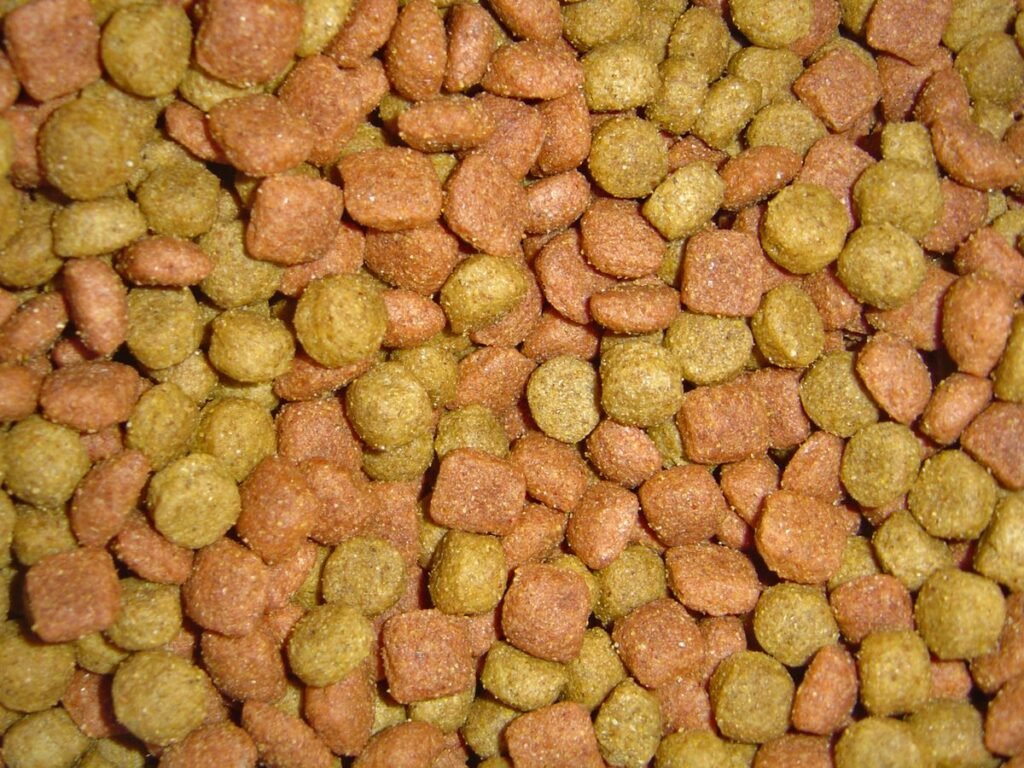
Bringing home a puppy is exciting, but feeding one well can feel confusing. Every bag promises something different, and portions that suit an eight-week-old will not suit the same puppy three months later. The good news is that puppy nutrition is not complicated once you understand what a growing dog needs, how to read a label, and how to adjust food as your puppy grows.
This guide covers the basics in plain language: the nutrients that support healthy growth, how much and how often to feed, how small and large breeds differ, and when to move to adult food.
Why Nutrition Matters During Growth
Puppies are not just small adult dogs. In a few months they build bones, muscles, teeth, organs, and a developing brain. That rapid growth needs energy and building materials, and it happens in a short window. Too little food can slow growth, while too much — or an unbalanced diet — can cause weight gain that strains developing joints, especially in larger breeds.
The goal is steady, controlled growth, not the fastest possible growth. A healthy puppy should look lean but not thin: you should feel the ribs easily under a thin layer of fat and see a gentle waist from above and the side. Weighing your puppy regularly and comparing progress with a typical puppy growth chart helps you spot problems early. Good nutrition also shows up in energy, stool quality, skin, coat, and readiness to learn.
The Key Nutrients Puppies Need
Protein
Protein provides amino acids used to build muscle, skin, hair, enzymes, and immune tissue. Growing puppies need more protein relative to their size than adult dogs. Look for a named animal source such as chicken, lamb, salmon, or beef rather than a vague description. Quality matters as much as the percentage, which is one reason a reputable complete puppy food is easier than trying to balance a homemade diet.
Fats
Fat is the most concentrated source of energy in the bowl and carries fat-soluble vitamins. Certain fatty acids also support skin and coat health. Puppy food is typically richer in fat than adult food, but large portions of a rich food can still lead to unwanted weight gain.
Calcium and Phosphorus
These minerals work together to build bones and teeth, and their balance matters as much as the total amount. A complete puppy food provides them in an appropriate ratio. Adding extra calcium through supplements, bone meal, or large amounts of dairy is not helpful and can be harmful, particularly for large-breed puppies. If the food is complete for growth, extra minerals are unnecessary unless your veterinarian advises them.
DHA
DHA is an omega-3 fatty acid found in ingredients such as fish oil and certain algae. It is a normal component of the brain and retina, and foods formulated for growth commonly include a DHA source to support normal development during the weeks when puppies learn fastest.
Choosing a Complete Puppy Food and Reading the Label
For most owners, the safest starting point is a commercial food formulated specifically for puppies. When reading a label, check for:
- A life-stage statement: It should say the food is complete and balanced for growth, or for all life stages including growth.
- Named ingredients: Ingredients are listed in descending order by weight. A named meat or fish first is a good sign, though overall formulation matters more than any single ingredient.
- A feeding guide: This gives a starting daily amount by current weight and age. Treat it as a starting point, not a rule.
- Manufacturer details: Look for contact information and clear best-before and batch information.
Words such as “natural,” “premium,” or “holistic” sound reassuring but do not tell you whether a food is complete for growth. The life-stage statement matters far more. If you are choosing between two suitable foods, ask your veterinarian, then give your choice a fair trial of several weeks instead of switching every few days. Reading about common puppy feeding mistakes can also help you avoid problems such as guessing portions or changing foods too quickly.
How Much and How Often to Feed
Young puppies have small stomachs and high energy needs, so daily food is divided into several small meals. As they grow, meals become larger and less frequent.
| Age | Typical meals per day | Notes |
|---|---|---|
| 8–12 weeks | 4 | Small meals spaced through the day |
| 3–6 months | 3 | Portions increase as the puppy grows |
| 6–12 months | 2 | Usually a morning and evening routine |
Start with the bag’s guide for your puppy’s current weight, divide it across the day’s meals, then adjust by body condition. Weigh your puppy every week or two, and use a puppy weight calculator to understand expected adult weight and growth. If the ribs disappear under fat, reduce the amount slightly. If your puppy looks too lean but is healthy and active, increase it a little. Small, gradual changes work best.
Feed at roughly the same times, in the same quiet place, and lift the bowl after 15 to 20 minutes if your puppy walks away. This builds routine and makes appetite changes easier to notice.
Small-Breed and Large-Breed Puppy Food
Small-breed puppies have fast metabolisms, tiny mouths, and small stomachs. Their foods tend to be more energy-dense, with smaller kibble, and they usually reach adult size by around 9 to 12 months.
Large and giant breed puppies grow for much longer — sometimes 18 to 24 months — and their growth must be controlled. Large-breed puppy foods use controlled energy and controlled calcium to support steady rather than rapid skeletal growth. Feeding a large-breed puppy a small-breed food, or adding calcium “for strong bones,” works against that goal. If your puppy is expected to weigh more than about 25 kilograms as an adult, a food labelled for large-breed puppies is a sensible choice.
Treats and Their Place
Treats are useful for training and bonding, but they are food too. As a widely used general guide, treats should stay under roughly 10% of daily calories, with the rest coming from complete puppy food. Break training treats into pea-sized pieces — your puppy cares about getting a reward, not its size — and on a heavy training day, reduce a meal very slightly to balance the total.
Foods That Are Dangerous for Dogs
Some human foods are unsafe even in small amounts. Keep these away from your puppy:
- Chocolate — toxic to dogs; darker chocolate is more dangerous.
- Grapes and raisins — can cause serious illness even in small quantities.
- Onions and garlic — can damage red blood cells, including cooked and powdered forms.
- Xylitol (birch sugar) — found in some sugar-free gum, sweets, and peanut butters; extremely dangerous.
- Cooked bones — can splinter and cause choking or internal injury.
If your puppy eats any of these, contact your veterinarian or an emergency clinic straight away rather than waiting for symptoms.
Fresh Water
Puppies need constant access to clean, fresh water. Wash the bowl daily and refill it at least once a day, and carry water on walks in warm weather. Puppies eating dry food will normally drink more than those eating wet food, which already contains much moisture.
When to Transition to Adult Food
Switching depends on maturity, not just a birthday. Small breeds are usually ready at around 9 to 12 months, medium breeds at 12 to 14 months, and large and giant breeds at 18 to 24 months, once growth has clearly slowed or finished. Our puppy development guide explains these stages further. Change gradually over about a week, mixing more new food and less old food each day so digestion can adjust.
Please note: Feeding amounts, frequencies, and timings in this article are general educational guidance, not a veterinary prescription. Individual needs vary by breed, size, activity, health, and body condition, so check with your veterinarian if you are unsure what is right for your puppy.
Frequently Asked Questions
Can my puppy eat adult dog food?
An occasional meal will not harm a healthy puppy, but adult food is not formulated for growth and should not be the main diet in the first year. Puppies need a food that is complete and balanced for growth.
Should I feed wet food, dry food, or both?
Either can work if it is complete for growth. Dry food is convenient and easy to measure; wet food is often more palatable and adds moisture. Many owners combine them. Total amount and nutrient quality matter most.
How do I know if I am feeding the right amount?
Start with the bag’s guide, then judge by body condition: ribs easy to feel but not visible, a visible waist, and steady growth at regular weigh-ins. Adjust in small steps and ask your veterinarian to check condition at routine visits.
Do puppies need vitamin or calcium supplements?
Not when they eat a complete puppy food, unless a veterinarian advises one for a specific reason. Extra calcium is a particular concern for large-breed puppies, where too much can interfere with normal bone development.
Conclusion
Feeding a puppy well comes down to steady habits: choose a complete food for growth suited to breed size, feed measured meals on a schedule, keep treats modest, provide fresh water, and adjust portions by body condition rather than guesswork. Weigh your puppy regularly, make changes gradually, and treat your veterinarian as a partner. That gives your puppy a sound foundation for healthy adult life.
Last updated: November 2026