
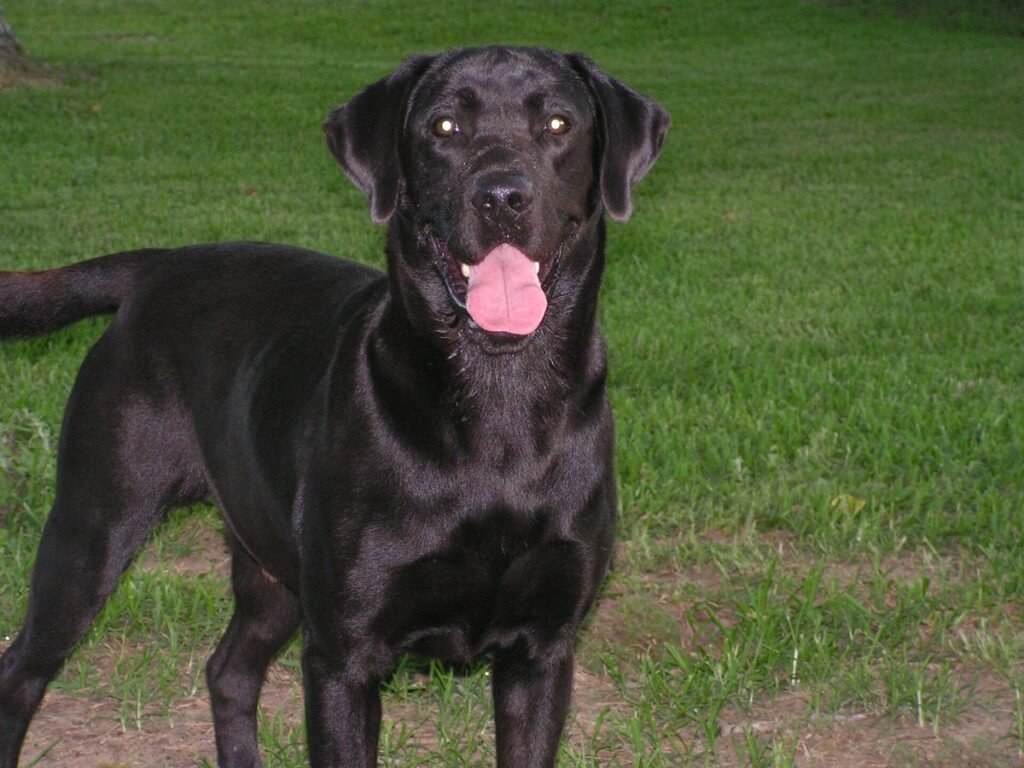
It is a question every owner asks while watching their puppy change almost weekly: when will this stop? The honest answer is that it depends mostly on one thing — how big the dog is meant to be. A Yorkshire Terrier may be fully grown before a Great Dane of the same age has finished his first big growth phase. Small dogs live their puppyhood on fast-forward; giant breeds take a slow, two-year road to their final size.
In this guide we will look at when puppies typically stop growing in height and in weight (they are not the same moment), how breed size changes the timeline, what growth plates have to do with it, and the signs that tell you your own dog is nearly done. If you want to see where your puppy sits on the curve right now, our dog growth calculator can estimate it from their age, breed and current weight.
Height Stops First, Weight Stops Later
Dogs grow in two overlapping ways. First they grow up: the long bones of the legs lengthen, giving the puppy their adult height. Then they grow out: the chest widens, muscles develop and the dog gains their adult shape and substance. Height usually stops first. Many dogs reach close to their full height some months before they reach their full weight, which is why a nine-month-old large-breed dog can look like a tall, narrow teenager — all legs and no chest.
This is also why “my puppy has stopped growing” can mean two different things. The measuring stick may not move after nine months, while the scales keep creeping upward for another six. Both are normal parts of the same process.
Timelines by Breed Size
Adult size is the best predictor of when growth ends. As a general guide:
- Toy and small breeds (such as Chihuahuas, Pugs and Shih Tzus) grow fastest and finish earliest. Most reach their adult height by about 6 to 8 months and their adult weight by roughly 9 to 12 months.
- Medium breeds (such as Beagles, Cocker Spaniels and Border Collies) usually reach adult height around 9 to 12 months and full weight by about 12 to 14 months.
- Large breeds (such as Labradors, Golden Retrievers and German Shepherds) typically reach adult height around 12 to 15 months and continue filling out until roughly 14 to 18 months.
- Giant breeds (such as Great Danes, Mastiffs and Saint Bernards) are in no hurry. Height may continue increasing past 18 months, and full adult weight and muscle may not arrive until around 2 years, occasionally later.
Mixed-breed dogs follow the timeline of the size they will become, not the size they are now — which is why a surprisingly large mixed-breed puppy may still be growing long after a small purebred companion has finished. Our dog breed weight guide can help you place an expected adult size, and from there the timeline becomes much clearer.
What Growth Plates Have to Do With It
Long bones grow at the growth plates — areas of developing cartilage near the ends of the bones. While a puppy is growing, these plates are active and relatively soft. When growth finishes, the plates harden into solid bone, a process vets call closure. Different plates close at different times, with most closed by around a year in smaller dogs and later in giant breeds.
Growth plate closure matters beyond curiosity. It is one of the factors vets weigh when advising on the timing of neutering for individual dogs, and it is why strenuous, repetitive exercise — long runs, constant jumping from height — is best kept modest while a puppy, especially a large-breed puppy, is still growing. Ordinary play, walks and training are fine; marathon training can wait. Hormones also influence closure, which is one reason entire and neutered dogs of the same breed can finish at slightly different heights.
Signs Your Puppy Is Nearly Fully Grown
You will not get a notification, but the clues accumulate. Weight that barely changes across two or three monthly weigh-ins is the clearest sign. The gangly proportions even out: paws stop looking oversized, the chest fills in, and the dog’s shape stabilises. Appetite often becomes steadier too, and many owners notice the frantic puppy energy mellowing into an adult rhythm, although plenty of two-year-olds would dispute that last point.
Tracking helps you see it. A simple record of monthly weights, started in puppyhood, turns guesswork into evidence: when the line on your growth chart flattens for a couple of months, growth is essentially done, even if a final kilogram of muscle arrives quietly later.
Does Neutering Change When a Dog Stops Growing?
Neutering before growth plates have closed can delay closure slightly, which in some dogs results in marginally taller adult height. The effect is usually small, and the right neutering time depends on breed, sex, health and lifestyle — a conversation to have with your vet rather than a decision to base on growth alone. What neutering more noticeably affects is metabolism: neutered dogs often need slightly fewer calories, so keep an eye on body condition in the months afterward and adjust portions if weight starts creeping up.
When Slow or Fast Growth Is a Concern
A puppy who stops gaining weight entirely well before the expected end of growth, loses weight, or falls noticeably behind littermates deserves a veterinary check. Parasites, digestive problems and other health issues can all slow growth, and catching them early matters. Equally, faster is not better: puppies — particularly large and giant breeds — who are pushed to grow as fast as possible with excess food face a greater strain on developing joints. Steady growth toward the expected adult size is the goal, and measured meals of a proper growth diet are how you get there. Our puppy nutrition guide explains feeding through the growth period.
Frequently Asked Questions
At what age is a dog fully grown?
Most small dogs are fully grown by about 12 months, medium breeds by 12 to 14 months, large breeds by around 18 months, and giant breeds by about 2 years. Individual dogs vary, and males of large breeds often take the longest.
Do puppies stop growing in height before weight?
Yes, usually. Height plateaus first, then the dog spends months filling out with chest width and muscle. A dog can look fully grown in height while still gaining healthy adult weight.
Can I tell when my mixed-breed puppy will stop growing?
Estimate their expected adult size first — from the parents, if known — then use the timeline for that size category. The larger the expected adult weight, the longer growth continues.
Does the size of the parents affect when growth stops?
Parents mainly determine final size, and final size drives the timeline. Puppies from larger lines within a breed often grow for slightly longer than those from smaller lines.
My 10-month-old dog is still gaining weight. Is that normal?
For a medium, large or giant breed, yes — completely normal. Check that the gain is gradual and body condition stays healthy, with ribs easy to feel under a light covering of fat.
Conclusion
Puppies stop growing on a schedule set by their adult size: months for the smallest dogs, up to about two years for giants. Height finishes first, substance follows, and a flattening weight record over a couple of months is your most reliable signal that the process is complete. Feed for steady growth, protect young joints from overdoing it, and enjoy the transformation — it happens faster than you expect, even in the slow-growing breeds.
Educational disclaimer: This article is general educational information. Growth timelines are typical patterns, not guarantees for an individual dog, and this content does not replace veterinary advice. If your puppy’s growth worries you, please speak to a qualified veterinarian.
Last updated: November 2026