
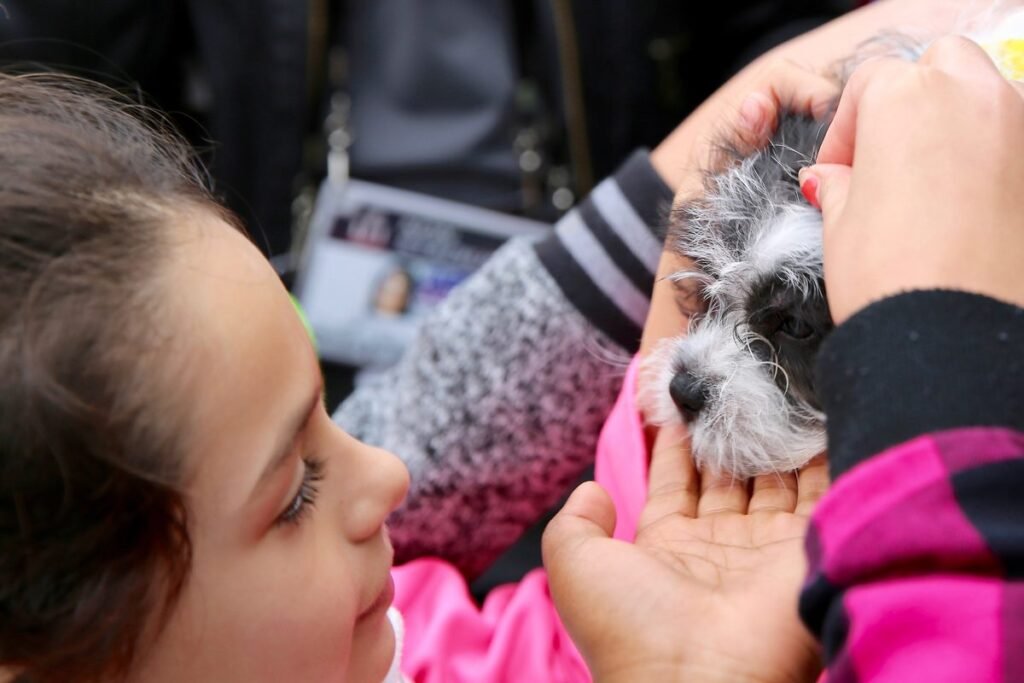
Bringing home a puppy is exciting, but the first months involve a lot at once: feeding, sleep, play, training, vet visits and grooming. Good care is not complicated. It is mostly steady routines, gentle limits, and paying attention to how your puppy is developing.
What Growing Puppies Need Most
Puppies are not just small adult dogs. Their bones, joints, brain and immune system are still developing, so they need more sleep, more frequent meals, shorter activity, and patient guidance. Your role is to provide fuel and rest, protect a developing body, and teach confidence and skills.
Feeding Routine Basics
Young puppies have small stomachs and high energy needs, so they usually eat several small meals a day rather than one or two large ones. As they grow, most gradually move to fewer meals. Your vet and the food packaging can guide portions, but adjust for body condition: you should feel the ribs easily under a thin layer of fat, without them sticking out sharply.
Feed at consistent times, always provide clean water, and avoid sudden food changes. If you switch foods, mix the new food in gradually over several days. For labels and breed-size differences, see our guide to puppy nutrition.
Exercise Appropriate to Age
Exercise is essential, but more is not always better. While growth plates — the soft areas at the ends of growing bones — are still open, repetitive high-impact activity can strain developing joints. Small breeds tend to mature earlier, often around 6 to 8 months, while large and giant breeds can keep growing until 18 to 24 months.
Young puppies should not do long runs, repeatedly race up and down stairs, or spend long sessions jumping off high furniture. A playful hop is normal; forced, repetitive or prolonged strain is the concern. A commonly used rough guide is to keep walks short and age-appropriate, with time to sniff and play at your puppy’s pace, rather than completing a set distance.
| Age Stage | Works Well | Limit |
|---|---|---|
| 8–12 weeks | Short garden play, sniffing, handling games | Long walks, crowded places before vaccinations finish |
| 3–6 months | Several short walks, play and training games | Running on hard surfaces, repeated jumping, stair marathons |
| 6+ months | Gradually longer walks as maturity allows | Forced endurance exercise, especially for large breeds |
Watch your puppy, not the clock. If they sit, lag or lie down mid-walk, they have had enough.
Sleep: Puppies Need a Lot of It
Very young puppies commonly sleep around 18 to 20 hours a day, in naps spread across day and night. Sleep supports growth and brain development, and an overtired puppy is often bitey, frantic and hard to settle, much like an overtired toddler.
Provide a quiet, comfortable sleeping area. A crate or pen can help if introduced positively and never used as punishment, but any safe, draught-free bed works. Let sleeping puppies sleep, and use a predictable wind-down: toilet break, gentle play, then calm time.
Socialisation: The Early Window Matters
Puppies have a sensitive socialisation period, generally considered to be roughly 3 to 14 weeks. Positive experiences with people, dogs, sounds, surfaces and handling in this window can have a lasting effect on confidence. Afterwards puppies can still learn, but new things may need a more patient introduction.
Safe socialisation means brief, positive, controlled experiences at your puppy’s pace:
- Meeting calm, vaccinated adult dogs in a clean, safe space
- Hearing doorbells, vacuum cleaners and traffic at a distance first
- Walking on grass, carpet and pavement
- Gentle handling of paws, ears and mouth, paired with treats
- Short car rides, once your vet says outings are appropriate
Because puppies are not fully protected by vaccinations at first, ask your vet how to balance socialisation with disease risk locally. Puppy classes, carried outings where paws avoid high-risk ground, and playdates with known healthy dogs are common vet-suggested approaches. Our puppy development guide covers milestones in more detail.
Training Basics and House Training Patience
Start training from day one, but keep it kind, short and simple. Reward-based methods — praise, small treats and play for behaviour you like — in sessions of a few minutes work best. Focus first on their name, coming when called, settling on a bed, and walking calmly on the lead.
House training takes weeks, not days. Puppies need toilet trips after waking, eating and play, and every hour or two when very young. Take them to the same spot, praise warmly when they go there, and clean accidents calmly without punishment. Accidents usually mean too much freedom too soon, not stubbornness. Supervision, gates or a playpen, and a consistent schedule help most.
Vet Visits, Vaccinations and Deworming
Every puppy needs a vet from the start. Early visits establish a health record, check for early issues, and set a plan for vaccinations, deworming, parasite prevention, microchipping and later neutering discussions. These schedules exist because puppies are vulnerable while their immune systems mature, and protection must be built in sequence.
Follow your own vet’s plan rather than a schedule from social media, keep the record safe, and call between visits if appetite, energy, stool, breathing or growth changes.
Disclaimer: This article is educational only and is not a substitute for veterinary advice. Growth, weight, feeding and health needs vary by individual puppy. Always follow your veterinarian’s guidance and seek care promptly if you are concerned about growth, appetite or health.
Grooming Basics by Coat Type
Grooming keeps skin and coat healthy, helps you spot lumps, ticks or sore spots, and teaches your puppy to accept handling. Start early with short, positive sessions.
- Short coats: Brush weekly with a soft brush or grooming mitt.
- Long or silky coats: Brush several times a week to prevent tangles behind ears, under legs and around the collar.
- Curly and wool coats: Brush frequently down to the skin and plan regular professional clipping, as these coats mat tightly.
- Double coats: Brush regularly, especially when shedding, and avoid shaving unless advised for a medical reason.
Also introduce nail checks, ear checks and toothbrushing with dog-safe toothpaste. Bathe only when genuinely dirty or advised by your vet.
Safe Chew Toys and Puppy-Proofing Your Home
Puppies explore with their mouths, and teething makes chewing more appealing. Provide safe, size-appropriate puppy chew toys, rotate them, and always supervise chewing. Remove any toy that starts to split or break into pieces.
Then look at your home from puppy height:
- Pick up shoes, socks and anything small enough to swallow
- Tidy or cover electrical cables and chargers
- Store cleaning products, medicines and toxic foods in closed cupboards
- Use gates to block stairs and unsupervised rooms
- Check garden fences for puppy-sized gaps
Review regularly — what was out of reach in week one may be reachable in week six.
Monitoring Growth as Part of Routine Care
Weighing your puppy regularly is a simple, useful habit. Steady growth matters more than hitting an exact chart number. A sudden slowdown, rapid gain, or a puppy who looks too thin or too round for their frame is worth discussing with your vet.
A puppy weight calculator and a puppy growth chart can suggest expected adult size and whether growth tracks in a typical direction. They are estimates, not promises, especially for mixed breeds. If that is your situation, read mixed breed puppy growth.
Also check body condition: ribs easy to feel but not prominent, a developing waist, and good energy. Combined with vet checks, that tells you more than weight alone.
Frequently Asked Questions
How much exercise does my puppy need each day?
There is no single amount for every puppy. Most young puppies do well with several short walks and play sessions spread through the day, with rest in between. Stop when they tire, and avoid forced running, repetitive jumping and long stair sessions while growth plates are open.
Why does my puppy sleep so much?
Usually it is normal. Very young puppies often sleep 18 to 20 hours a day for growth and brain development. When awake they should be alert and eating well. If a puppy is hard to wake or stops eating, contact your vet.
When should I start training and socialisation?
As soon as your puppy comes home, in age-appropriate ways. Gentle training and handling can begin immediately, and safe socialisation is most valuable at roughly 3 to 14 weeks. Ask your vet how to socialise safely before vaccinations are complete.
How often should I weigh my puppy?
Many owners weigh weekly in the early months, then every two to four weeks as growth slows. Weigh at a similar time of day, note the trend over several weeks, and bring your records to vet visits.
What if growth is faster or slower than a chart suggests?
Do not panic or drastically change food alone. Charts show typical ranges and healthy puppies can sit outside them. Check body condition and book a vet check, especially if the change is sudden or your puppy seems unwell.
Conclusion
Caring for a growing puppy is steady, ordinary things done consistently: sensible food portions, short varied exercise, plenty of sleep, early positive experiences, patient training, regular vet care, basic grooming, a safe home, and monitoring growth. None of it needs to be perfect. Enjoy this stage — it passes quickly — and use our puppy care hub alongside your vet’s advice as your puppy grows.
Last updated: November 2026